


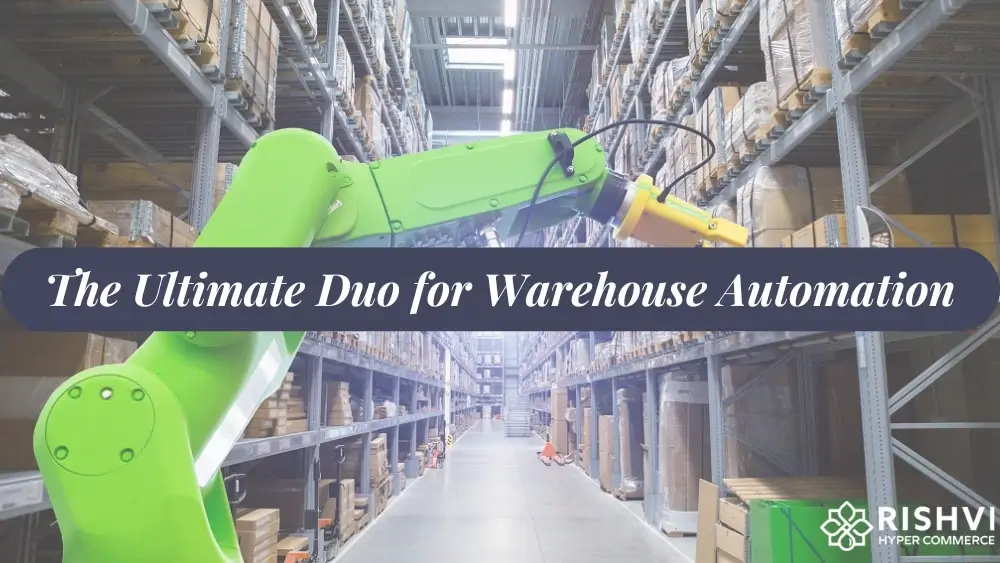
The rise of artificial intelligence (AI) and robotics has revolutionized warehouse automation, creating an efficient, accurate, and cost-effective logistics environment. When combined, AI and robotics form the ultimate duo, addressing industry challenges such as labor shortages, inventory mismanagement, and inefficient workflows. This transformation is shaping the future of supply chain management, making warehouses smarter and operations more agile.
The Growing Need for Warehouse Automation
Modern supply chains demand speed, precision, and scalability. However, warehouses often struggle with:
- Labor Shortages: A declining workforce makes manual operations unsustainable.
- Inventory Management Issues: Human errors lead to misplaced stock and inefficiencies.
- Rising Operational Costs: Increased wages and maintenance expenses challenge profitability.
- High Customer Expectations: Consumers expect faster, more accurate deliveries than ever before.
To meet these challenges, businesses are increasingly integrating AI and robotics into warehouse operations.
How AI and Robotics Work Together in Warehousing
1. Smart Inventory Management
AI-driven warehouse management systems (WMS) analyze historical sales data, predict demand, and optimize stock levels. Robotics then execute these AI-driven instructions by autonomously picking, storing, and retrieving products with high accuracy. Together, they ensure optimal inventory control and minimal waste.
2. Automated Picking and Packing
Traditional picking and packing methods are labor-intensive and prone to human errors. AI-powered robots streamline these processes by:
- Using Computer Vision: Identifying, sorting, and picking items with precision.
- Enhancing Speed: Robotic arms and autonomous mobile robots (AMRs) reduce order fulfillment times.
- Minimizing Mistakes: AI algorithms cross-check orders to prevent shipping errors.
3. Route Optimization for Autonomous Robots
Autonomous robots navigate warehouses efficiently with AI-driven route optimization. These systems factor in:
- Traffic within the warehouse
- Real-time obstructions
- Shortest paths for retrieval and delivery
This improves operational flow, reduces congestion, and accelerates order processing.
4. Predictive Maintenance for Equipment
AI-powered predictive analytics monitor robotics and warehouse equipment, detecting potential failures before they occur. This reduces downtime, lowers maintenance costs, and enhances productivity.
5. Enhancing Worker Safety and Efficiency
AI-driven robotics take over repetitive and hazardous tasks, reducing workplace injuries. Collaborative robots (cobots) work alongside human employees, handling strenuous lifting while workers focus on strategic, high-value activities.
Cost Savings and ROI of AI-Powered Warehouse Automation
Investing in AI and robotics yields significant cost benefits, including:
- Reduced Labor Costs: Automation lowers reliance on manual labor, reducing expenses.
- Lower Error Rates: AI-driven accuracy minimizes costly returns and rework.
- Optimized Storage: Smart algorithms ensure efficient space utilization, cutting storage costs.
- Faster Order Processing: Reduced lead times improve cash flow and customer satisfaction.
The Future of AI and Robotics in Warehousing
The warehouse automation landscape is rapidly evolving. Emerging trends include:
- AI-Powered Drones: Used for inventory tracking and aerial warehouse management.
- Hyper-Automation: Combining AI, machine learning, and IoT for fully autonomous operations.
- Sustainable Warehousing: AI optimizes energy usage, reducing carbon footprints.
Conclusion
AI and robotics are redefining warehouse automation, creating a seamless synergy that enhances efficiency, reduces costs, and improves accuracy. Businesses that embrace this transformation will gain a competitive edge in an increasingly digital logistics ecosystem.
As technology advances, the combination of AI and robotics will continue to push the boundaries of what’s possible in warehouse management. The future of logistics is intelligent, autonomous, and more efficient than ever before.