


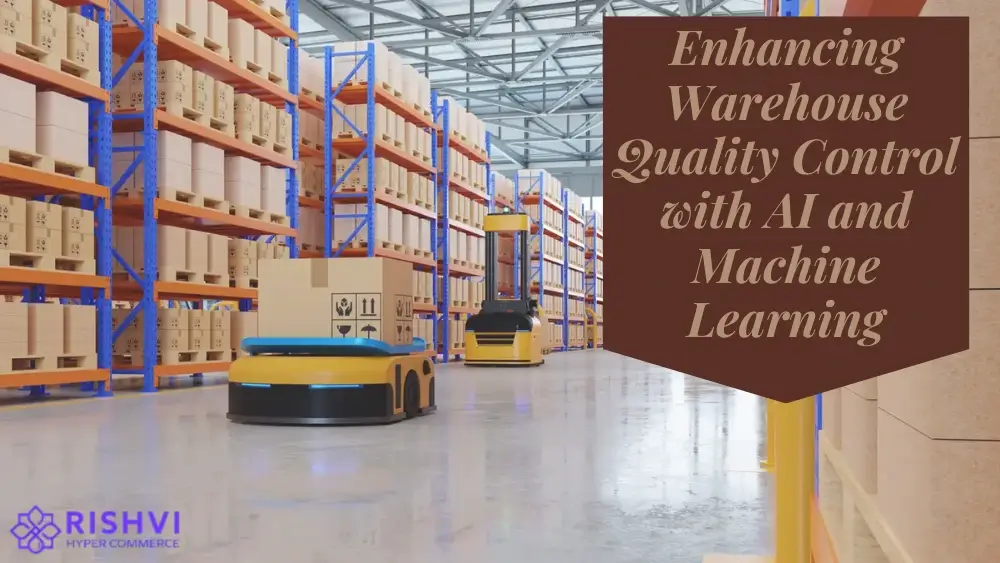
Introduction:
- Briefly introduce the importance of quality control in warehousing.
- Highlight the challenges of manual quality control processes.
- Present the role of AI and machine learning in revolutionizing quality control.
The Significance of Quality Control in Warehousing:
- Discuss the impact of subpar quality control on warehouse operations and customer satisfaction.
- Emphasize the need for precise and efficient quality control measures.
AI and Machine Learning in Warehouse Quality Control:
- Explain how AI-powered vision systems and machine learning algorithms work together.
- Highlight the advantages of using AI for quality control, such as speed, accuracy, and scalability.
Key Applications of AI in Warehouse Quality Control:
- Visual Inspection:
- Describe how AI-based visual inspection systems can detect defects, damages, or anomalies in products.
- Provide examples of industries where visual inspection is crucial, such as manufacturing, electronics, and food production.
- Barcode and Label Verification:
- Explain how AI can verify barcodes and labels on products to ensure accurate tracking and inventory management.
- Discuss the consequences of barcode errors and how AI mitigates them.
- Dimensional and Weight Checks:
- Illustrate how AI can precisely measure the dimensions and weight of products to ensure compliance with standards.
- Discuss how this technology helps in optimizing storage and shipping.
- Packaging Inspection:
- Discuss how AI can analyze packaging for defects or inconsistencies.
- Explain the role of AI in reducing packaging waste and ensuring product integrity.
Benefits of AI-Powered Quality Control:
- Explore the advantages of using AI in quality control, including reduced errors, increased efficiency, cost savings, and improved product quality.
Real-World Examples:
- Share case studies or examples of companies that have successfully implemented AI-powered quality control systems in their warehouses.
Challenges and Considerations:
- Address potential challenges, such as the cost of implementation, integration with existing systems, and the need for skilled personnel.
Future Trends in Warehouse Quality Control:
- Discuss emerging technologies and trends in AI-driven quality control, such as robotics, augmented reality, and data analytics.
Conclusion:
- Summarize the key takeaways regarding the role of AI and machine learning in warehouse quality control.
- Highlight the transformative potential of these technologies for improving product quality and operational efficiency in warehouses.